

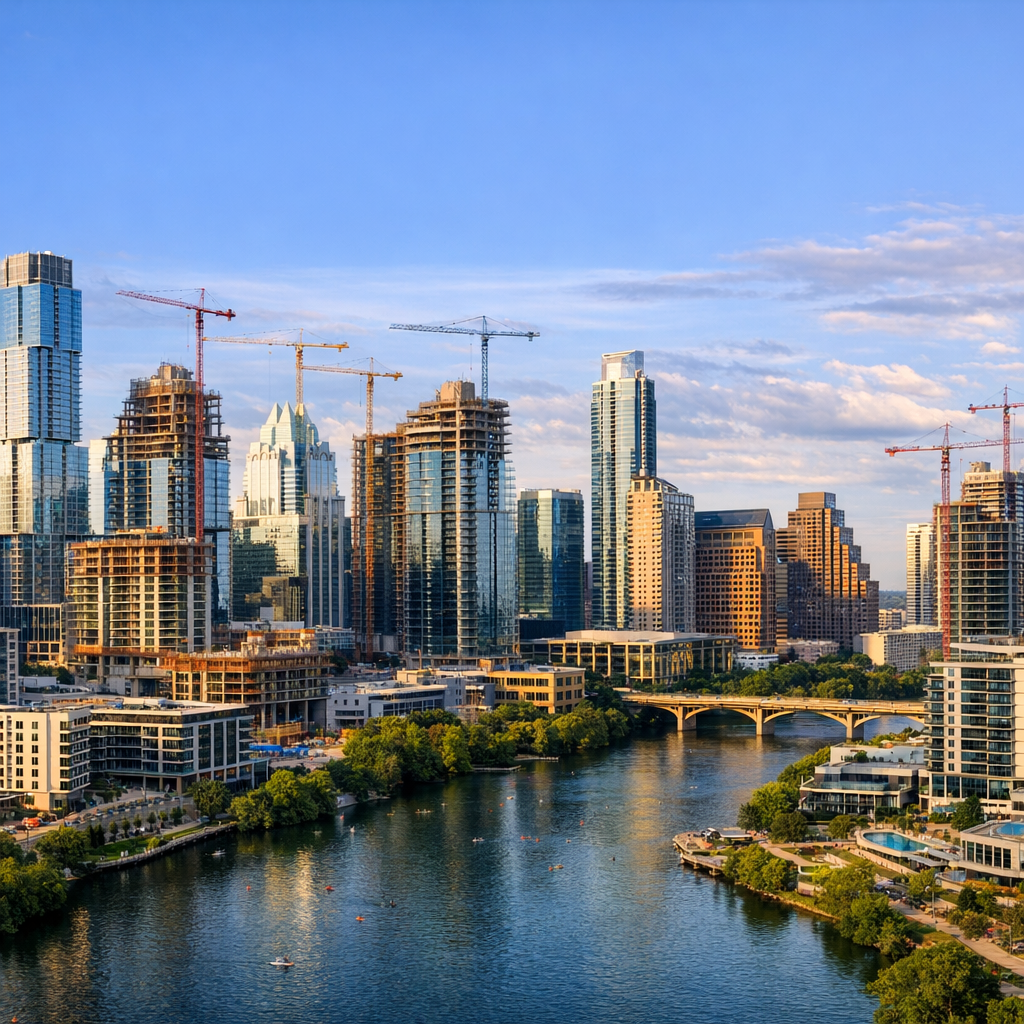
Austin’s housing landscape is undergoing significant transformations, reflecting broader economic trends and local developments. Understanding these changes is crucial for prospective buyers, renters, and investors.
Market Trends
Recent data indicates a shift towards a buyer’s market in Austin. The median home sale price declined by 3.5% in February compared to the same month a year earlier, settling at $415,000. This adjustment is accompanied by an increase in active listings, which rose to over 12,273, up 13.5% year over year. Such trends suggest a cooling market, offering more opportunities for buyers.
Additionally, homeowners are staying in their properties longer, with an average tenure of 7.3 years by the end of 2025. This trend is influenced by factors such as low mortgage rates and high home prices, contributing to a relatively inactive housing market.
Rental Market Insights
The rental sector has also experienced notable changes. The median rent in Austin decreased by 6.23% over the past year, now averaging $1,850 per month. This decline is coupled with a reduction in available rental properties, which dropped by 18.88% year over year.
Local Developments
Several significant projects are reshaping Austin’s housing landscape:
The Weaver
Located at 1401 Art Dilly Drive in East Austin, The Weaver is a five-story, mixed-income residential development offering 250 apartment units. This project blends affordable and market-rate housing in a transit-oriented setting, contributing to a vibrant, multi-generational community along the Lady Bird Lake corridor.
Waterline Tower
Set to become the tallest building in Texas upon its completion in 2026, the 74-story Waterline tower will feature a mix of residential units, office spaces, and a hotel. This development aims to offer sweeping views of Waller Creek, Lady Bird Lake, and downtown Austin, further enhancing the city’s skyline.
TownLake YMCA Redevelopment
The Greater Austin YMCA has proposed a major redevelopment of its TownLake facility into a mixed-use complex. The plan includes a modernized YMCA campus, residential housing, child care services, and expanded social programs. Notably, the project aims to provide at least 90 affordable housing units for families earning 30% to 80% of Austin’s median income.
These developments reflect Austin’s commitment to addressing housing needs through innovative projects that cater to a diverse population.
Conclusion
Austin’s housing market is in a state of flux, characterized by price adjustments, evolving rental dynamics, and ambitious development projects. Staying informed about these trends is essential for making well-informed decisions in this ever-changing landscape.