

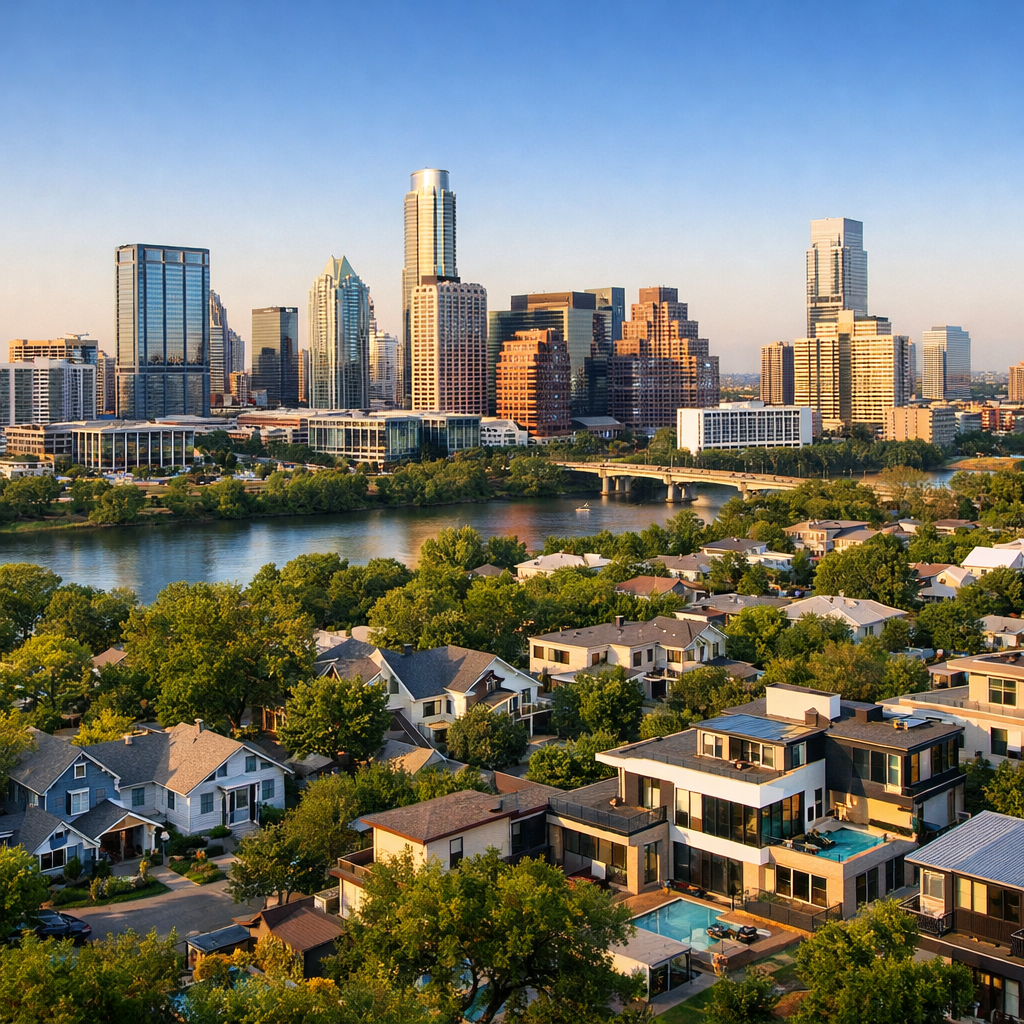
Austin’s housing market is undergoing significant transformations, presenting both challenges and opportunities for residents and investors alike. Understanding these shifts is crucial for making informed decisions in this dynamic environment.
Market Trends
Recent data indicates a cooling in Austin’s housing market. As of March 2026, the median sale price of homes in Austin was $530,000, reflecting a 2.0% decrease compared to the previous year. Homes are now spending an average of 58 days on the market, slightly longer than the 56 days observed last year. Notably, the number of homes sold in March increased by 6.0% year-over-year, totaling 835 sales.
Additionally, the median listing price in March 2026 stood at $550,000, marking an 8.33% decline from the previous year. The price per square foot also decreased by 8.70%, averaging $336. Active listings rose by 3.89% to 5,711, while the median days on market increased by 8.16% to 53 days.
Rental Market
The rental sector has also experienced notable changes. The number of rental properties decreased by 18.88% to 6,690, and the median rent declined by 6.23% to $1,850 per month.
Local Developments
Several initiatives are underway to address housing affordability and community needs. The Housing Accelerator Loan Fund has provided over $20 million in loans since 2023, facilitating the creation of more than 1,500 new affordable housing units in the Austin area. These projects cater to diverse groups, including individuals with disabilities, seniors, and families seeking stable housing.
In East Austin, The Weaver, a five-story mixed-income residential development, has been completed. Located at 1401 Art Dilly Drive, The Weaver offers 250 apartment units, blending affordable and market-rate housing in a transit-oriented, walkable setting.
Furthermore, the Greater Austin YMCA has proposed a major redevelopment of its TownLake facility into a mixed-use complex. The plan includes a modernized YMCA campus, residential housing, child care services, and expanded social programs. The project aims to provide up to 750 condominiums, with at least 90 units designated as affordable housing for families earning 30% to 80% of Austin’s median income.
Conclusion
Austin’s housing market is in a state of flux, characterized by declining home prices, increased inventory, and proactive development projects aimed at enhancing affordability and community services. Staying informed about these trends is essential for navigating the evolving real estate landscape in Austin.