

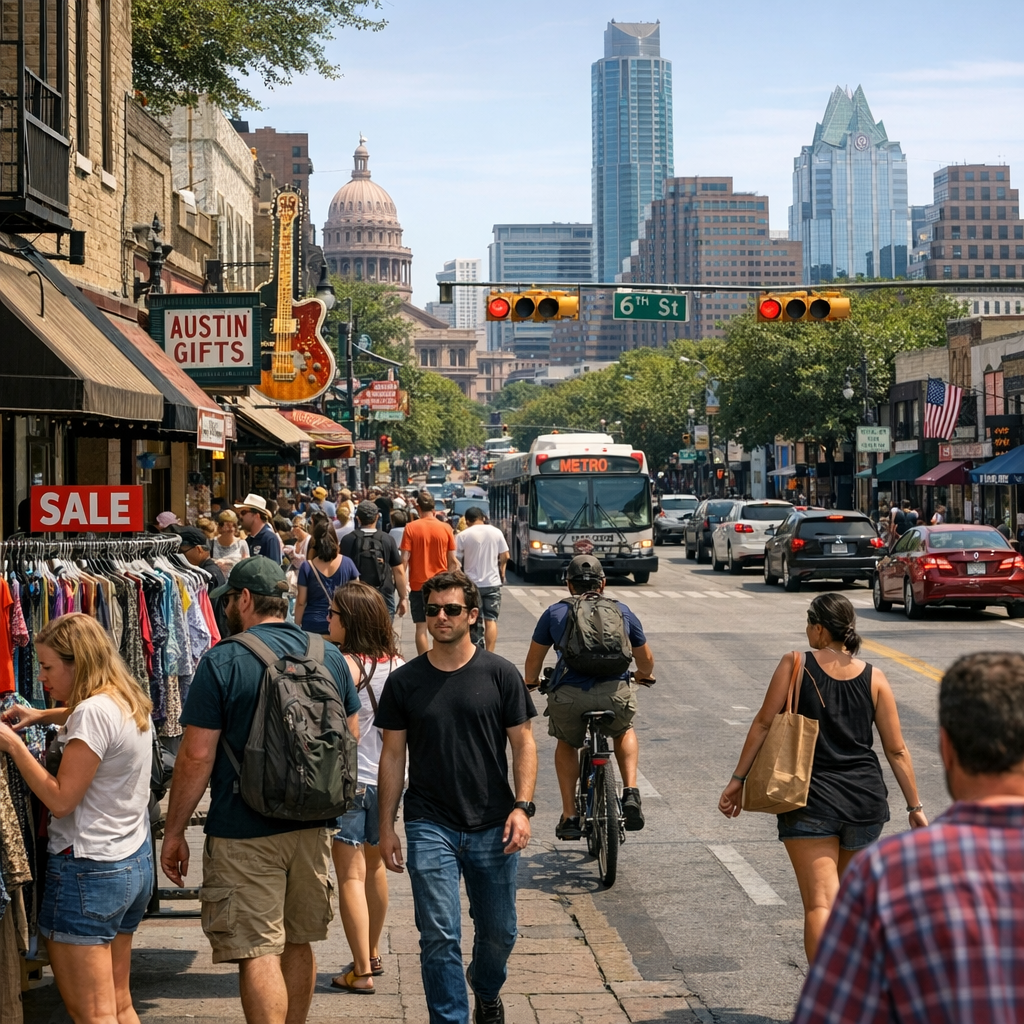
As the United States grapples with evolving economic challenges, it’s essential to understand how national trends impact local communities like Austin. Recent data reveals a complex picture of inflation, employment, and consumer sentiment.
Inflation and Rising Costs
Inflation has surged to 3.8% in April, driven primarily by escalating energy prices due to ongoing geopolitical tensions. Gasoline prices have risen by 5.4% in April and over 28% year-over-year, pushing the national average above $4.50 per gallon. This increase has effectively nullified recent wage gains of 3.6%, affecting the purchasing power of many Americans. Additionally, food prices have increased by 0.5% last month and over 3% annually, while housing costs are up 3.3%. These rising costs are particularly impactful for lower-income households, who are using less gas but being hit the hardest by the price spike.
Employment Trends
Despite inflationary pressures, the labor market shows resilience. Employers added 115,000 jobs in April, surpassing forecasts of 65,000, though down from March’s 185,000. The unemployment rate held steady at a low 4.3%. Notably, healthcare and retail led job gains, while manufacturing continued to decline, shedding 2,000 jobs in April. Jobless claims ticked up to 200,000 but remain historically low, signaling a stable labor market amid challenges.
Consumer Sentiment and Local Impact
Consumer sentiment has declined to record lows as Americans grow pessimistic about the economy and their own financial futures. Small business optimism is also at its lowest since before President Trump’s reelection. For Austin residents, these national trends translate into higher living costs and potential challenges in the job market. However, the city’s diverse economy and vibrant tech sector may offer some insulation against broader economic downturns.
Looking Ahead
While the national economic outlook presents challenges, Austin’s community resilience and economic diversity provide a foundation for navigating these uncertain times. Staying informed and proactive will be key for residents and businesses alike.