

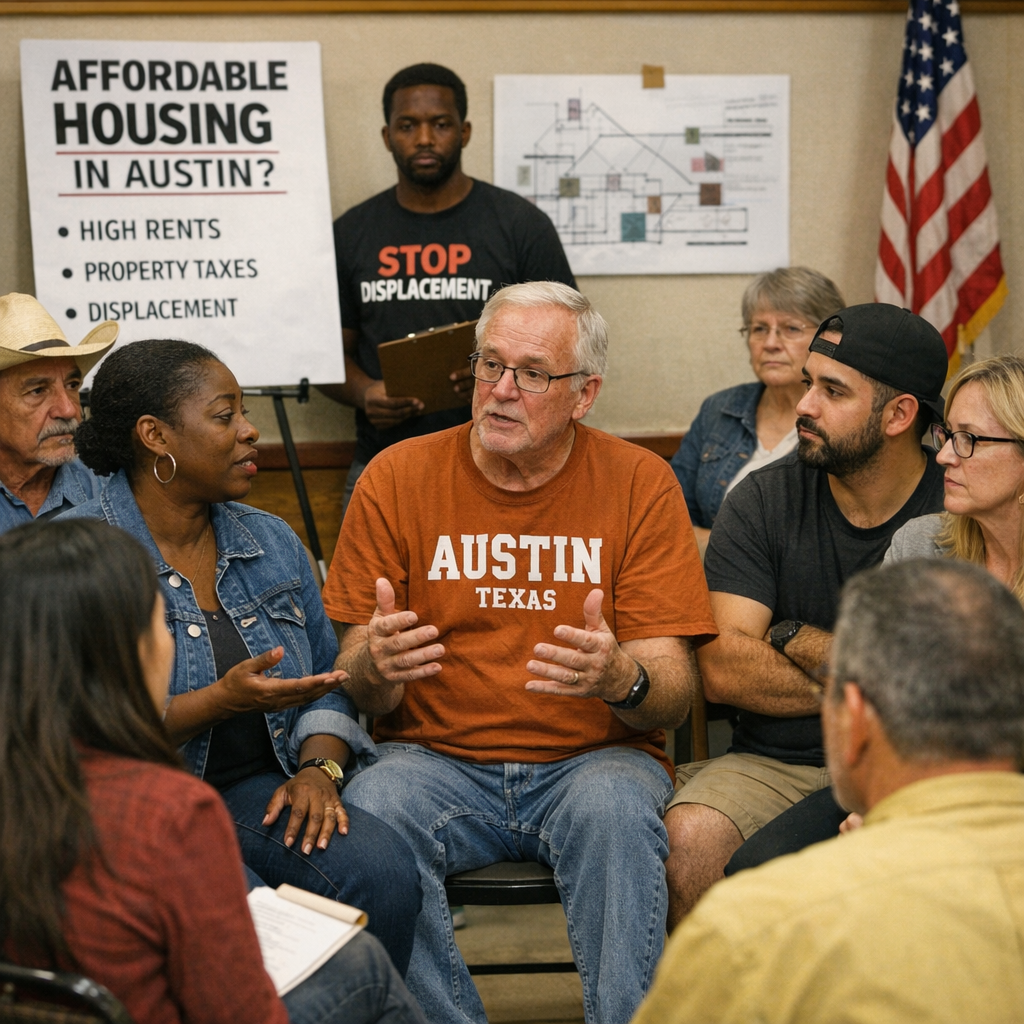
Austin’s rapid growth has brought prosperity and vibrancy to the city, but it has also led to a significant housing affordability crisis. Rising property values and limited housing supply have made it increasingly difficult for many residents to find affordable housing options.
Current Challenges
According to the 2025 Austin-Travis County Community Health Assessment, housing instability is a major concern affecting residents’ health and well-being. The report highlights that someone would need to earn $31.27 per hour to afford a two-bedroom apartment at fair market rent, which is more than four times the minimum wage. Additionally, 36% of Austin households spend 30% or more of their income on housing, surpassing the state average. This financial strain forces families to make tough choices between rent and other essential needs like food, transportation, and healthcare.
Community Responses
In response to these challenges, various community organizations and city initiatives are working to address the housing crisis. For instance, the proposed Rowen Vale affordable housing development in the Travis Heights neighborhood aims to provide housing for workers in the nearby South Congress area. However, some residents have expressed concerns about the project’s scale and its impact on the neighborhood’s character. The City Council is considering a resolution to support the development, which is a crucial step in securing state low-income housing tax credits.
Looking Ahead
Addressing Austin’s housing affordability crisis requires a multifaceted approach, including increasing the supply of affordable housing, providing financial assistance to those in need, and ensuring that new developments are integrated thoughtfully into existing communities. Continued collaboration between city officials, community organizations, and residents is essential to create sustainable solutions that meet the diverse needs of Austin’s population.