

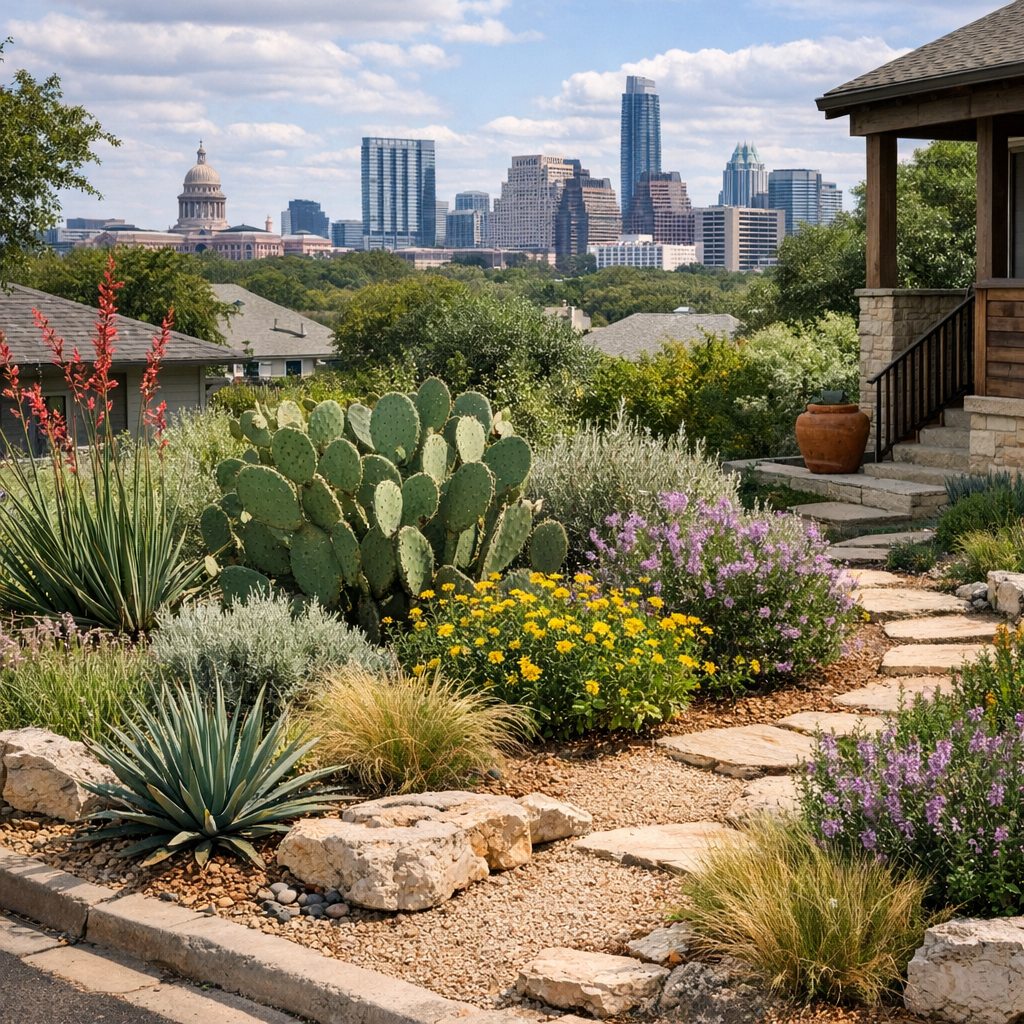
Austin’s climate is undergoing significant changes, with projections indicating hotter summers, more frequent heatwaves, and increased instances of extreme weather events. Understanding these shifts and implementing adaptive strategies are crucial for the community’s resilience.
Understanding the Climate Projections
Recent studies forecast that Austin’s maximum temperatures could rise by up to 10°F by the end of the century if high emissions continue. Historically rare temperatures above 110°F are expected to become more frequent. Additionally, the number of heatwaves—defined as three or more consecutive days of excessively hot weather—is projected to double by the century’s end.
Impacts on the Community
The increasing heat poses significant risks, especially during power outages. Research from the University of Texas at Austin indicates that if a blackout occurs during a heatwave, 85% of single-family homes in Austin would pose a significant risk of heat-related illnesses or fatalities for elderly residents.
Adaptive Strategies for Residents
To mitigate these risks, residents can adopt several strategies:
1. Incorporate Native and Drought-Tolerant Plants
Utilizing native plants in landscaping not only conserves water but also supports local ecosystems. Plants such as Texas sage (Leucophyllum frutescens), Turk’s cap (Malvaviscus arboreus var. drummondii), and blackfoot daisy (Melampodium leucanthum) are well-suited to Austin’s climate and require minimal irrigation once established.
2. Enhance Home Energy Efficiency
Improving home insulation, using energy-efficient appliances, and installing reflective roofing materials can help maintain cooler indoor temperatures and reduce energy consumption during peak heat periods.
3. Stay Informed and Prepared
Keep abreast of local weather forecasts and heat advisories. Develop an emergency plan that includes access to cooling centers and strategies for staying hydrated and cool during extreme heat events.
Community Initiatives
The City of Austin is actively working to address these climate challenges. Efforts include updating the Community Wildfire Protection Plan and hosting public meetings to gather input on fuel mitigation activities, such as brush and vegetation clearance.
By understanding the projected climate changes and implementing adaptive measures, Austin residents can contribute to building a resilient and sustainable community.