

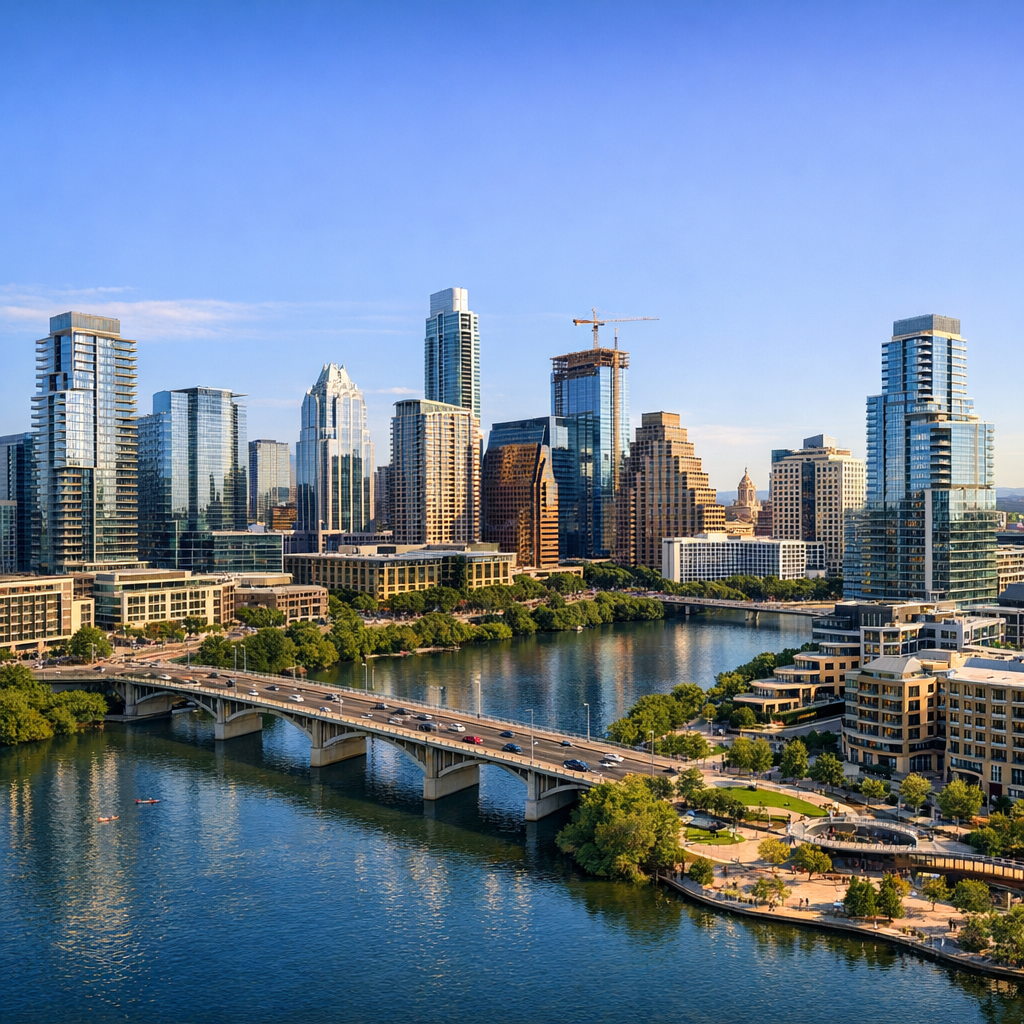
Austin’s housing market is undergoing significant transformations, presenting both challenges and opportunities for residents and investors alike. Understanding these shifts is crucial for making informed decisions in this dynamic environment.
Market Trends
Recent data indicates a stabilization in Austin’s housing market. As of April 2026, the median listing price stands at $560,000, reflecting a 10.4% decrease from the previous year. The median sold price is $533,378, marking a 1.6% year-over-year increase. Homes are spending an average of 47 days on the market, a 17.5% rise compared to last year. These figures suggest a market correction, moving towards a more balanced state between buyers and sellers. Source
Rental Market Dynamics
The rental sector is also experiencing notable changes. The median rent in Austin has decreased by 9.55% over the past year, now averaging $1,800 per month. This decline offers potential relief for renters who have faced escalating costs in recent years. However, the number of rental properties has decreased by 18.79%, indicating a tightening market. Source
Development Projects
Several significant development projects are reshaping Austin’s urban landscape:
The Weaver
Located in East Austin, The Weaver is a five-story, mixed-income residential development offering 250 apartment units. This project contributes to a vibrant, multi-generational community along the Lady Bird Lake corridor, blending affordable and market-rate housing in a transit-oriented setting. Source
Waterline Tower
Set to become the tallest building in Texas upon completion in 2026, the 74-story Waterline Tower will feature a mix of residential units, office spaces, and a hotel. This development aims to offer luxury living and working spaces with panoramic views of downtown Austin. Source
TownLake YMCA Redevelopment
The Greater Austin YMCA has proposed a major redevelopment of its TownLake facility into a mixed-use complex. The plan includes a modernized YMCA campus, residential housing, child care services, and expanded social programs. The project envisions up to 750 condominiums, with at least 90 units designated as affordable housing for families earning 30% to 80% of Austin’s median income. Source
Conclusion
Austin’s housing market is in a state of flux, characterized by price adjustments, evolving rental dynamics, and ambitious development projects. Staying informed about these trends is essential for anyone looking to navigate the city’s real estate landscape effectively.