

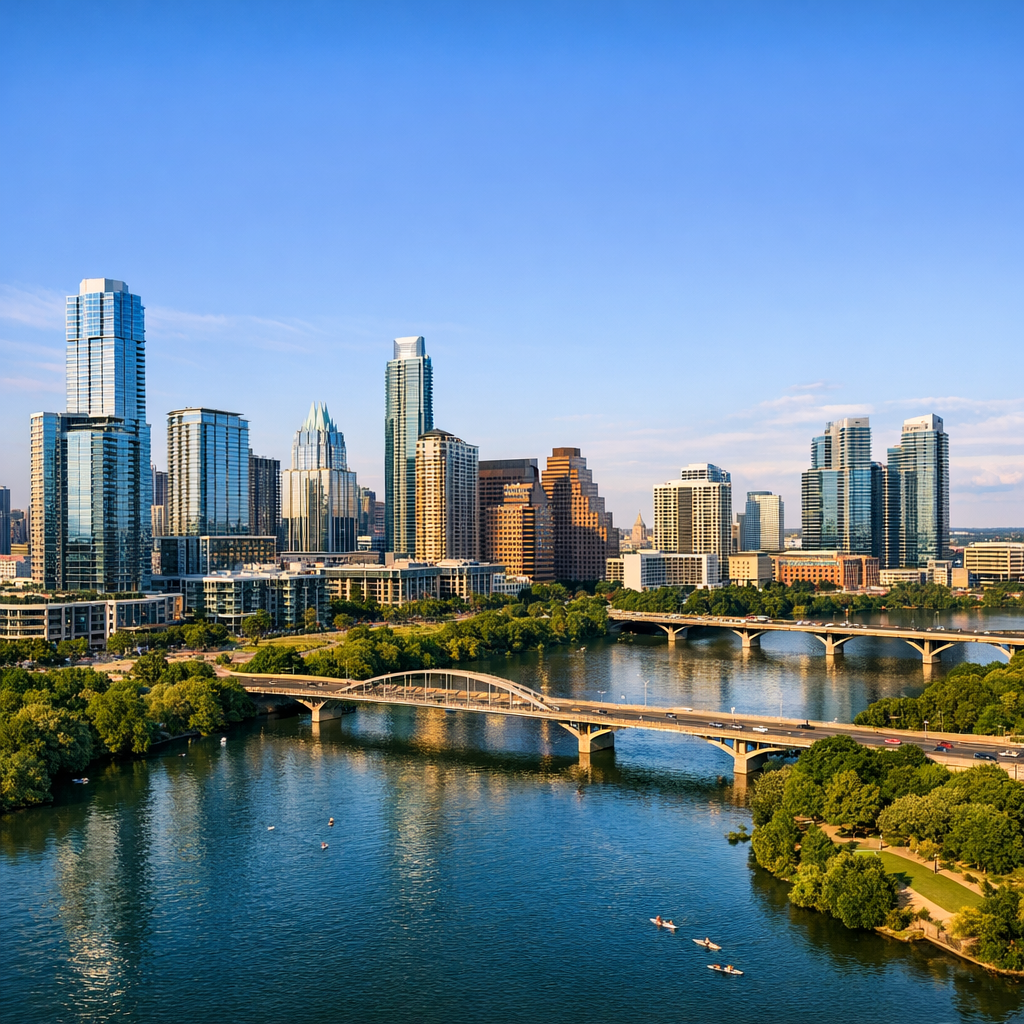
Austin’s housing market is undergoing significant transformations, presenting both challenges and opportunities for residents and investors alike. Understanding these shifts is crucial for making informed decisions in this dynamic environment.
Market Trends
Recent data indicates a cooling in Austin’s housing market. As of March 2026, the median sale price of homes was $530,000, reflecting a 2.0% decrease from the previous year. Homes are now spending an average of 58 days on the market, slightly longer than the 56 days recorded last year. Notably, the number of homes sold in March increased by 6.0% year-over-year, totaling 835 sales.
Additionally, the average homeowner tenure in Austin has reached 7.3 years, the highest in two decades. This trend is influenced by factors such as low mortgage rates, high home prices, and limited inventory, leading many homeowners to stay put.
Rental Market
The rental sector has also experienced changes. The median rent in Austin is currently $1,850 per month, marking a 6.23% decrease from the previous year. The number of rental properties available has declined by 18.88% year-over-year, indicating a tightening rental market.
Local Developments
Several significant developments are underway, contributing to Austin’s evolving real estate landscape:
The Weaver
Located in East Austin, The Weaver is a five-story mixed-income residential development offering 250 apartment units. This project blends affordable and market-rate housing in a transit-oriented setting, enhancing urban connectivity and community vibrancy.
Waterline Tower
Set to become the tallest building in Texas upon completion in 2026, the 74-story Waterline Tower will feature a mix of residential units, office spaces, and a hotel. This development aims to redefine Austin’s skyline and provide a range of amenities to residents and visitors.
TownLake YMCA Redevelopment
The Greater Austin YMCA has proposed a major redevelopment of its TownLake facility into a mixed-use complex. The plan includes a modernized YMCA campus, residential housing with affordable units, childcare services, and expanded social programs, addressing the community’s growing needs.
Conclusion
Austin’s housing market is in a state of flux, characterized by shifting prices, changing inventory levels, and ambitious development projects. Staying informed about these trends is essential for anyone looking to navigate the city’s real estate landscape effectively.